
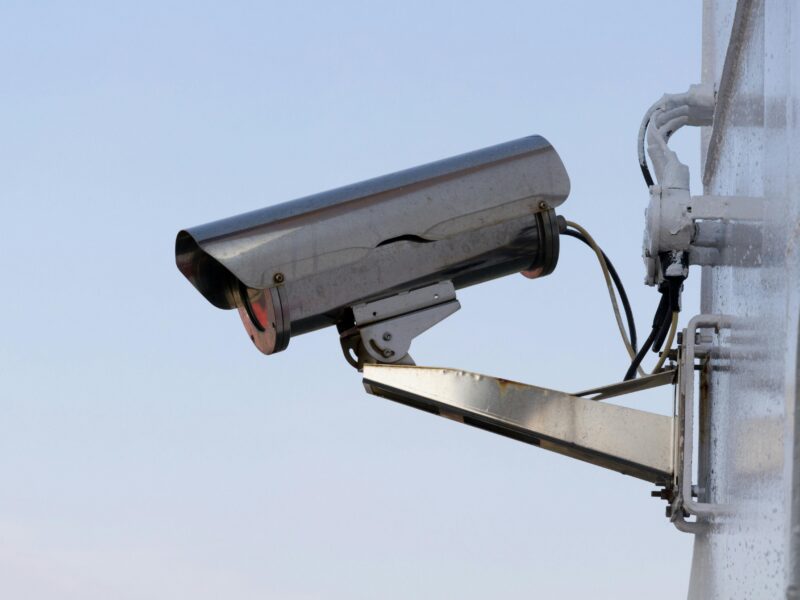
Modern small businesses face risks that touch property, people, and schedules, so dependable protection supports work and steady service. Professional security systems detect issues early, guide fast response, and keep clear records that reduce confusion and waste. Organized hardware and simple controls reduce errors, while responsive support keeps equipment healthy during busy seasons. A careful investment strengthens safety, preserves time, and helps owners show responsibility to employees and visitors. Good planning aligns features with needs and keeps costs predictable.
Risk Realities and Core Benefits
Professional systems lower risk by monitoring entries, storage, and shared areas across open and closed hours. Sensors, cameras, and alerts work together under one plan, which improves coverage and reduces blind spots that invite loss. Solid placement, healthy power, and routine tests keep performance reliable and prevent surprises during nights and weekends. Simple dashboards display status in plain words, so staff act quickly and close small problems before they grow. Early warnings protect cash, stock, tools, and data by directing attention to real events. Accurate time stamps and clips show what happened, which helps managers fix gaps. Organized records support training that builds calm habits and steady follow-through. Fewer incidents and quicker resolutions deliver savings that outweigh fees and protect service.
Cost Control and Savings
Professional systems control costs by preventing damage, limiting access, and shortening investigations with clear logs and video that answer questions fast. Remote checks reduce travel time, while health reports flag weak batteries and loose mounts before failures interrupt operations. Backup power and failover hold coverage during outages and restore service quickly after storms. Durable parts, fair warranties, and scheduled maintenance extend life and make budgets easier. Savings also arise from smoother operations that avoid delays, overtime, and repeat visits during busy periods. Staff work faster when permissions, resets, and sharing follow simple rules without training. Organized alerts set quiet hours for rest while keeping important signals visible. Clear invoices, tidy inventories, and fast claims move money sooner, while modular upgrades support measured growth.
Operations, Access, and Records
Professional systems keep routines smooth by coordinating doors, zones, and schedules with simple controls that reduce mistakes and confusion. Smart locks, badges, and keypads create clear trails and make access changes fast without replacing hardware. Visitor codes expire on time and leave records that support audits and service calls. Door chimes and holding alerts keep entrances secure without distracting staff from customer care. Good records carry value across payroll, deliveries, and vendor work because reliable time stamps clarify workloads. Cameras confirm handoffs and conditions, while sensors document openings and long holds that raise costs. Searching stays simple with filters for date, door, and user on one timeline. Clear retention rules balance storage and privacy, while safe sharing guides decisions that improve layout and scheduling.
Insurance, Compliance, and Trust
Security systems support insurance goals by lowering claims with prevention and clear proof during reviews. Carriers value tested monitoring, maintenance reports, and documented responses that show responsible practice and care. Discounts or smoother settlements often follow strong evidence and healthy equipment that meets policy terms. Inspection checklists and service notes keep hardware within requirements and reduce denial risk. Compliance needs also to drive value because regulated spaces must manage privacy, access, and record-keeping with care. Role-based permissions, audit trails, and alert histories help managers meet rules without workarounds or guesswork. Visible procedures and steady communication strengthen trust among staff and visitors by keeping expectations clear. Clean signage, tidy installations, and consistent responses create a professional atmosphere that discourages problems and supports training.
Service, Scale, and Future Needs
Professional support keeps protection dependable by fixing issues quickly, guiding upgrades, and coordinating across locations under one plan. Contracts that define response times, replacement windows, and health checks reduce downtime and protect schedules. Local partners and established providers handle complex projects and networks. For instance, security systems in New York benefit from coordinated management and standardized protocols, ensuring consistent performance and reliability across multiple sites. Remote diagnostics solve small faults early, while stocked spares shorten visits and prevent repeat disruptions. Room to grow matters because business needs to change with seasons, staffing, and services. Modular systems add sensors, cameras, and access points without starting over or changing core controls. Open standards protect choice and keep long-term costs fair, while roadmaps explain timelines. Simple training supports new hires, and periodic reviews keep settings accurate and matched to risk.
Conclusion
Professional security systems suit small businesses because they reduce loss, speed response, and keep work organized through simple controls and steady support. Balanced designs link detection, video, access, and backups, which protect time and budgets during quiet and busy periods alike. Reliable service helps equipment stay ready, while good records guide decisions and strengthen trust. Sensible investment turns safety into a daily system that supports people and property without extra stress, and careful reviews keep settings current, clear, and effective.
 5 Tips to Keep Employees Safe on Worksites
