
The Power of Doing Nothing (On Purpose)
In a world obsessed with action, stillness looks suspicious. Executives are expected to be in motion — making calls, leading meetings, pushing projects. The faster the pace, the greater the respect. But speed can blur vision.
When leaders never stop moving, they stop thinking clearly. Strategic stillness — the practice of slowing down to process, analyse, and observe — is becoming one of the most valuable tools in leadership. It’s not laziness. It’s control.
A Harvard Business Review survey found that 72% of executives admit they make major decisions under pressure without enough time to reflect. That’s like running a company with your foot stuck on the accelerator.
Slowing Down to Move Smarter
Stillness doesn’t mean stepping away from responsibility. It means giving your brain the space to connect dots you can’t see while multitasking. Great leaders know that breakthroughs often happen when things get quiet.
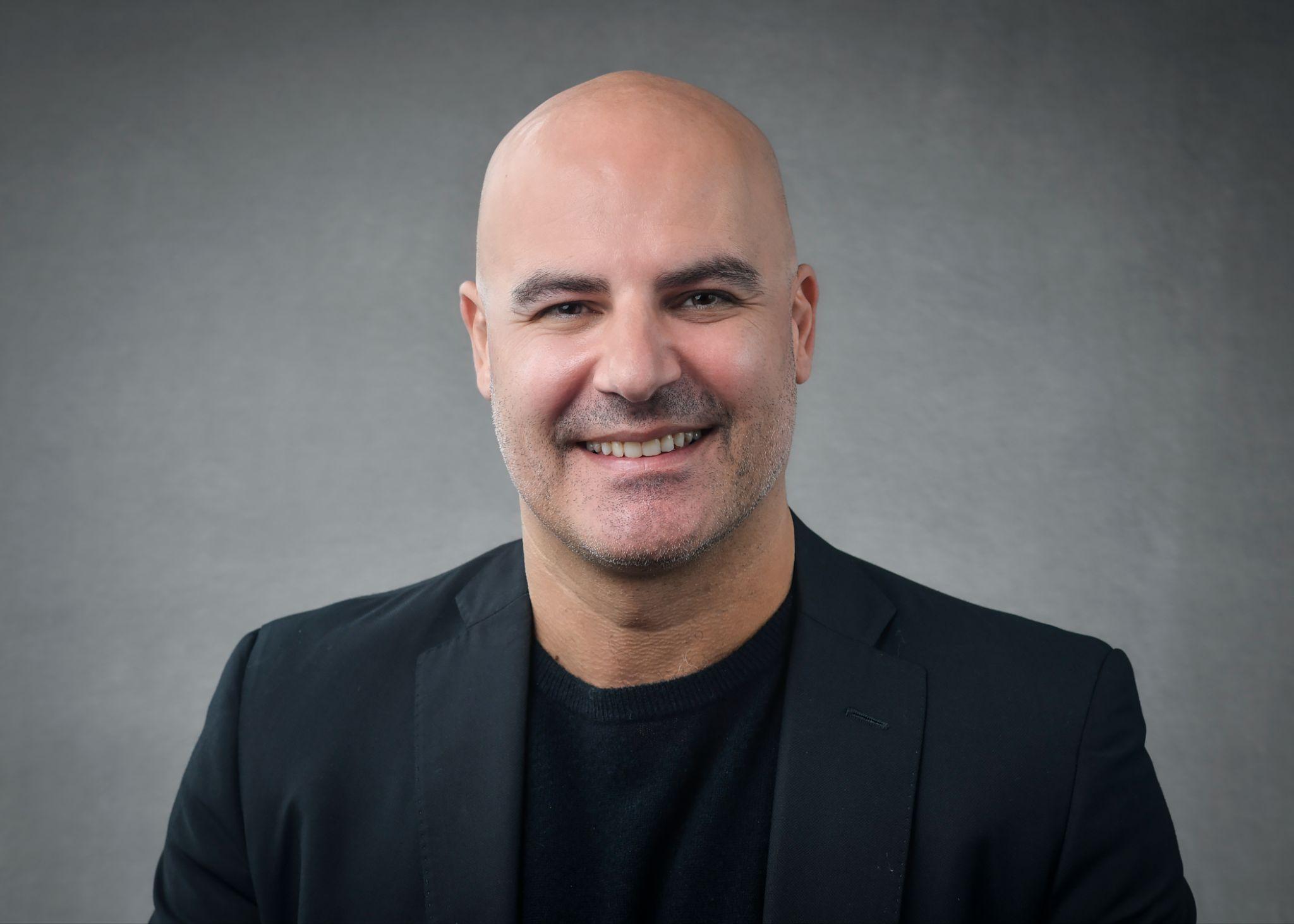
Youssef Zohny once said that the best executives “treat silence like a meeting with themselves.” It’s time scheduled to think without distraction. Whether that’s a walk before the workday or five minutes of reflection between meetings, it’s a pause with purpose.
One CEO described how he blocked 30 minutes each morning for what he called “structured nothing.” No emails. No phone. No team updates. Just reflection. “At first, it felt weird,” he said. “Now I wouldn’t trade it for anything. It’s where I make my best decisions.”
The Science of Strategic Stillness
Neuroscience backs this up. The human brain needs quiet time to consolidate ideas and evaluate long-term options. Constant stimulation — notifications, meetings, and messages — overwhelms the decision-making centre of the brain, known as the prefrontal cortex.
A Stanford University study found that people who take short breaks between intense cognitive tasks make 60% fewer errors than those who don’t. When leaders pause, they aren’t wasting time — they’re improving accuracy.
Stillness activates what researchers call the default mode network — the part of the brain that lights up when you’re not actively focused. It’s responsible for creativity, intuition, and strategic insight. That’s why many of the best ideas come during a shower or a walk.
Why Noise Feels Safer
Busyness gives the illusion of progress. When leaders fill every minute, they feel productive — even if the quality of their decisions drops. It’s easier to measure activity than clarity.
But constant movement hides problems. It’s like driving through fog — faster doesn’t help you see better.
Executives often fear stillness because it means facing uncertainty. When things go quiet, tough questions rise to the surface: Are we heading in the right direction? Did that decision align with our values? Stillness forces honesty, and that can feel uncomfortable.
Yet ignoring reflection is riskier. Studies from McKinsey & Company show that companies led by reflective executives outperform others by up to 25% in long-term financial returns. Clarity compounds, just like capital.
How to Build Strategic Stillness
1. Schedule White Space
Put thinking time on your calendar. Don’t treat it as optional. Start with 20 minutes a day — no phone, no laptop, no agenda. Use it to review key decisions, think about upcoming challenges, or simply breathe.
Think of this as mental housekeeping. You’re clearing clutter so you can see what really matters.
2. Ask Better Questions
When things are quiet, your mind has room to ask questions you usually avoid. Try these:
- What problem am I really trying to solve?
- What’s one assumption we haven’t tested?
- If I said no to this project, what would happen?
Strategic questions cut through noise. They shift focus from reacting to reflecting.
3. Replace Reaction with Observation
Instead of jumping into every issue, practice waiting. When someone brings you a problem, ask for context before answering. Silence after a question is powerful — people often reveal more than they planned when you let them fill the gap.
One senior leader we spoke with said she started responding to team issues 24 hours later instead of immediately. “At first, they thought I was ignoring them,” she laughed. “Now they see I just think before I answer. The quality of our solutions has tripled.”
4. Create Boundaries from Noise
Turn off push notifications for nonessential apps. Block time on your calendar for focused work. Close your office door or take a walk without your phone. Stillness thrives on boundaries.
Research from Microsoft’s WorkLab found that employees experience a 23% boost in productivity when they have uninterrupted time to think. For leaders, that’s even more critical — because one bad decision affects everyone.
Learning from the Greats
History’s sharpest thinkers weren’t constantly moving. Warren Buffett famously spends 80% of his day reading and thinking. He once said, “I insist on a lot of time being spent, almost every day, to just sit and think.”
Steve Jobs walked miles in silence while thinking through product ideas. Jeff Bezos introduced “quiet days” at Amazon for long-term planning. Even military strategists like Dwight Eisenhower used reflection periods to separate urgent tasks from important ones — what we now call the Eisenhower Matrix.
These aren’t coincidences. Stillness is a thinking tool, not a luxury.
The Modern Leadership Paradox
Today’s business world rewards visibility. If you’re not online, in meetings, or responding instantly, you look disengaged. But leadership isn’t about speed — it’s about direction.
When leaders slow down, teams notice. They start thinking more strategically too. They ask better questions, take more ownership, and stop chasing short-term wins.
The paradox is that slowing down often accelerates progress. Like a driver taking their foot off the gas before a sharp turn, it’s what keeps the car on the road.
Action Steps for Executives
- Start small. Schedule one “thinking session” a week and protect it fiercely.
- Unplug. Turn off alerts and use that time for deep reflection.
- Write daily. Keep a notebook for decision reviews and lessons learned.
- Ask your team reflective questions. Model stillness through curiosity, not control.
- Measure quality, not quantity. Track the impact of decisions, not how fast they’re made.
These steps sound simple, but they compound over time. Like interest, small moments of reflection lead to big returns in judgment.
Final Thoughts
Stillness is a form of strength. It’s the pause that separates a good decision from a bad one. It’s the silence where insight lives.
The modern executive doesn’t need more noise, meetings, or dashboards. They need more moments to think.
As Youssef Zohny reminds his peers, “Stillness isn’t a break from leadership — it’s part of it.”
When you stop reacting and start observing, the noise fades, the picture sharpens, and the next move becomes obvious.
 5 Pet-Related Businesses You Can Start with a Franchise Model
